
Share John Haig Bilezikjian's obituary with others.
Invite friends and family to read the obituary and add memories.
Stay updated
We'll notify you when service details or new memories are added.
You're now following this obituary
We'll email you when there are updates.
Select your format and elements to print

IN LOVING MEMORY OF John Haig Bilezikjian
John Haig
Bilezikjian
Feb 1, 1948 — Jan 19, 2015
John Haig Bilezikjian's Obituary
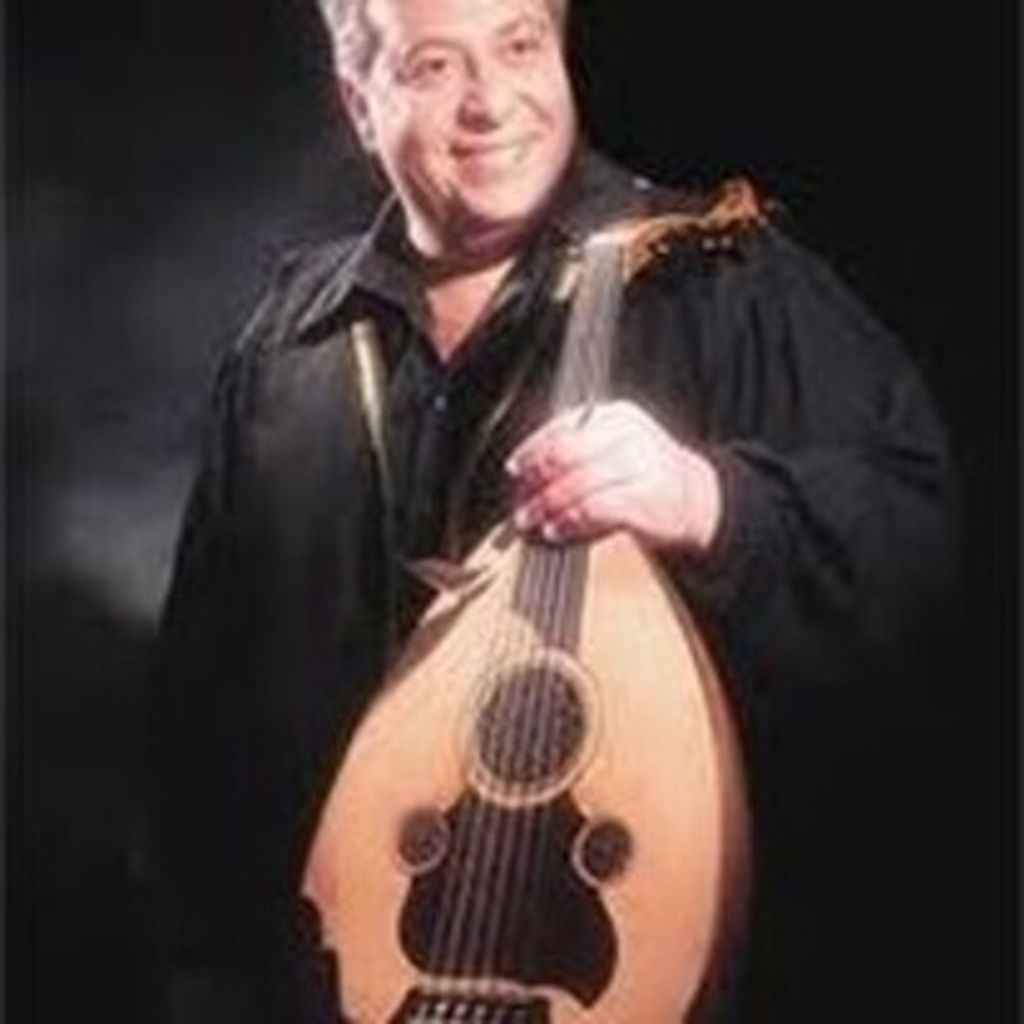
John Bilezikjian was America's Oud Virtuoso. A soloist at heart, John was a great admirer of the violinist Jascha Heifetz. Indeed, John's playing—no matter the genre—was marked with emotional intensity and great attention to detail. Growing up with a mother who sang him Armenian lullabies, a father who played violin, and a grandfather who played oud, it is no wonder that John developed an interest in music from an early age. His teachers all agreed that he showed great promise on the violin. When, at age nine, he applied his talents to the oud, it was not long before he began performing at church functions, parties, and nightclubs. As his performance career took off, he was guided by a deep sense of responsibility his parents.
John worked relentlessly to keep alive the songs and dances of western Armenia. He paid careful attention to authenticity of sound and movement while also creating his own distinct style. Thanks to his family's extensive collection of 78rpm recordings featuring Armenian, Greek, and Turkish musicians, he also developed a love of the music that grew out of the Ottoman court tradition. He was well-versed in the makam modal system and the improvisational art of taksim.
Members of the folk and belly dance communities are indebted to John and his music. Since the 1960s, he was a regular performer at legendary Southern California venues like the Seventh Veil, the Fez, and the Ash Grove. Also, John's research into Sephardic music proved useful to many singers and Hazzans interested in the historical traditions of Spanish Jews.
John's expertise extended into western classical and popular music. He was known for his impressive arrangements of pieces by Johan Sebastian Bach, Isaac Albéniz, and Ernesto Lecuona. He performed as soloist with the Los Angeles Philharmonic, the Boston Pops Orchestra, the Los Angeles Mandolin Orchestra, and the Pacific Palisades Symphony, among others. Audiences at John's solo concerts spoke fondly of his adaptations of Beatles tunes, and audiences in Spain demanded encore after encore when John joined Leonard Cohen on an international tour. Additionally, John was Hollywood's first choice when film scores called for an oud: John can be heard on many motion picture soundtracks, including Schindler's List, The French Connection, and Hidalgo.
John's own record label Dantz Records hosts an extensive and varied collection of his music. Included are Armenian folk songs and dances, belly dance music, classical music, and the soundtrack to the movie Pomegranate. Surely, John's legacy lives on in these recordings.
John was also a gifted teacher. He taught private lessons and composed the Hal Leonard Oud Method book. Students at many Southern California universities, including UCLA, USC, UC Santa Barbara, UC San Diego, and CSU Northridge, benefited from his guest lectures on Armenian music and oud technique.
Special mention must be made of John's wife Helen, who worked lovingly and tirelessly to support his performance career. As singer and dancer, she joined him in many performances and shared his values of artistry, professionalism, and hard work. Together, their love of Armenian music and culture was a true gift to Southern California and beyond.
HISTORY
Born John Haig Bilezikjian (named after his paternal grandfather, Haig) on Feb. 1, 1948, he was soon followed by his brother Eddie, two years later and his sister Alice Ann, ten years younger. He came from good parents and was not deprived of anything.
The name Bilezikjian comes from the Turkish word "bilezik" meaning Bracelet, coupled withe the traditional ending of "ian" or "yan" affixed to all Armenian surnames designating "son of". John's paternal great grandfather, Nazareth Bilezikjian, was patriarch of the most affluent family in the Western village of Marash. His son, Haig Bilezikjian went to "Aintab" and found Nectar Karajian (prettiest girl in the village)". They were married on the docks and because of the marauding Turks they traveled to Bulgaria where John's father Andrew Bilezikjian was born in 1919, and later Albert was born.
John's Maternal great-grandfather, Mugherdich Siroonian came from "Kheghe" and he escaped to Bulgaria. The same warning came to them that prompted Alice's father Bedros (Peter) Ohanessian to abandon his village of "Mush". The two families moved to Bulgria, where they lived across the street, met and married. Bedros was a freedom fighter and he was forced to flee to America where the fear of reprisals forced them to change their name to Darer or priest, reflecting the fact the Alice Bilezikjian's family was four generations of priests. Alice Bilezikjian was born in East Saint Lewis , Illinois and raised in Detroit. On a trip to L.A. relatives introduced her to Andrew Bilezikjian and they were married.
JOHN'S CHILDHOOD
From his earliest childhood, John recalled his mother singing to him the sad love songs and nostalgic lullabies of Armenia and his father playing Violin. He fell in love with the violin, which his father and uncle both played.
John was the only child who learned Turkish and Armenian, primarily because doing so enabled him to unlock the meaning of the words he heard on the phonograph. It also allowed him to understand what his parents were saying when he wasn't supposed to hear. He recounts how his father would try to surprise the children by telling Alice, his mother in the Arnenian-Turkish dialect "I'm going to the store to buy some " shirin shey" (sweet thing)." John would overhear and tell his brother and sister "Dad's going to buy some ice cream!"
Studying with his father, who was classically trained, he was playing Paganini by the age of ten. However, at nine years old he had discovered the Oud, which his grandfather had stored in the attic. He began to teach himself and gave his first professional oud performance at twelve. As a teenager, John began formal studies of Armenian at Sunday school, and became president of St. Jameser's youth group. He also trained to become a deacon in the Armenian church, assisting the Archbishop in chanting the divine liturgy, position he continued until entering college in 1966. He started his own band "the Hallahs" with
continued...
1
2
Next
John worked relentlessly to keep alive the songs and dances of western Armenia. He paid careful attention to authenticity of sound and movement while also creating his own distinct style. Thanks to his family's extensive collection of 78rpm recordings featuring Armenian, Greek, and Turkish musicians, he also developed a love of the music that grew out of the Ottoman court tradition. He was well-versed in the makam modal system and the improvisational art of taksim.
Members of the folk and belly dance communities are indebted to John and his music. Since the 1960s, he was a regular performer at legendary Southern California venues like the Seventh Veil, the Fez, and the Ash Grove. Also, John's research into Sephardic music proved useful to many singers and Hazzans interested in the historical traditions of Spanish Jews.
John's expertise extended into western classical and popular music. He was known for his impressive arrangements of pieces by Johan Sebastian Bach, Isaac Albéniz, and Ernesto Lecuona. He performed as soloist with the Los Angeles Philharmonic, the Boston Pops Orchestra, the Los Angeles Mandolin Orchestra, and the Pacific Palisades Symphony, among others. Audiences at John's solo concerts spoke fondly of his adaptations of Beatles tunes, and audiences in Spain demanded encore after encore when John joined Leonard Cohen on an international tour. Additionally, John was Hollywood's first choice when film scores called for an oud: John can be heard on many motion picture soundtracks, including Schindler's List, The French Connection, and Hidalgo.
John's own record label Dantz Records hosts an extensive and varied collection of his music. Included are Armenian folk songs and dances, belly dance music, classical music, and the soundtrack to the movie Pomegranate. Surely, John's legacy lives on in these recordings.
John was also a gifted teacher. He taught private lessons and composed the Hal Leonard Oud Method book. Students at many Southern California universities, including UCLA, USC, UC Santa Barbara, UC San Diego, and CSU Northridge, benefited from his guest lectures on Armenian music and oud technique.
Special mention must be made of John's wife Helen, who worked lovingly and tirelessly to support his performance career. As singer and dancer, she joined him in many performances and shared his values of artistry, professionalism, and hard work. Together, their love of Armenian music and culture was a true gift to Southern California and beyond.
HISTORY
Born John Haig Bilezikjian (named after his paternal grandfather, Haig) on Feb. 1, 1948, he was soon followed by his brother Eddie, two years later and his sister Alice Ann, ten years younger. He came from good parents and was not deprived of anything.
The name Bilezikjian comes from the Turkish word "bilezik" meaning Bracelet, coupled withe the traditional ending of "ian" or "yan" affixed to all Armenian surnames designating "son of". John's paternal great grandfather, Nazareth Bilezikjian, was patriarch of the most affluent family in the Western village of Marash. His son, Haig Bilezikjian went to "Aintab" and found Nectar Karajian (prettiest girl in the village)". They were married on the docks and because of the marauding Turks they traveled to Bulgaria where John's father Andrew Bilezikjian was born in 1919, and later Albert was born.
John's Maternal great-grandfather, Mugherdich Siroonian came from "Kheghe" and he escaped to Bulgaria. The same warning came to them that prompted Alice's father Bedros (Peter) Ohanessian to abandon his village of "Mush". The two families moved to Bulgria, where they lived across the street, met and married. Bedros was a freedom fighter and he was forced to flee to America where the fear of reprisals forced them to change their name to Darer or priest, reflecting the fact the Alice Bilezikjian's family was four generations of priests. Alice Bilezikjian was born in East Saint Lewis , Illinois and raised in Detroit. On a trip to L.A. relatives introduced her to Andrew Bilezikjian and they were married.
JOHN'S CHILDHOOD
From his earliest childhood, John recalled his mother singing to him the sad love songs and nostalgic lullabies of Armenia and his father playing Violin. He fell in love with the violin, which his father and uncle both played.
John was the only child who learned Turkish and Armenian, primarily because doing so enabled him to unlock the meaning of the words he heard on the phonograph. It also allowed him to understand what his parents were saying when he wasn't supposed to hear. He recounts how his father would try to surprise the children by telling Alice, his mother in the Arnenian-Turkish dialect "I'm going to the store to buy some " shirin shey" (sweet thing)." John would overhear and tell his brother and sister "Dad's going to buy some ice cream!"
Studying with his father, who was classically trained, he was playing Paganini by the age of ten. However, at nine years old he had discovered the Oud, which his grandfather had stored in the attic. He began to teach himself and gave his first professional oud performance at twelve. As a teenager, John began formal studies of Armenian at Sunday school, and became president of St. Jameser's youth group. He also trained to become a deacon in the Armenian church, assisting the Archbishop in chanting the divine liturgy, position he continued until entering college in 1966. He started his own band "the Hallahs" with
continued...
1
2
Next
To send flowers with our preferred florist or plant a memorial tree, please visit our flower store.
John Haig Bilezikjian's Guestbook
This site is protected by reCAPTCHA and the
Google Privacy Policy and Terms of Service apply.
Service map data © OpenStreetMap contributors